


ICSETEP RDG Sub-Project · D-18
Affordable Myoelectric Prosthetic Hand
Enabling Essential Daily Activities for Low-Income Amputees in Bangladesh
Department of Computer Science & Engineering · Varendra University, Rajshahi
01 January 2026 — 31 December 2027
An interdisciplinary research project developing a cost-effective myoelectric prosthetic hand using EMG signals, machine learning, embedded systems and 3D printing.

- Project Duration
- 2 Years
- Start
- 01 Jan 2026
- End
- 31 Dec 2027
- Lead Institution
- Varendra University
- Research Area
- IT Solutions Addressing Disability Issues
- Sub-Project Code
- D-18
About the Project
Affordable assistive technology, engineered locally
The project “Affordable Myoelectric Prosthetic Hand Enabling Essential Daily Activities for Low-Income Amputees in Bangladesh” is an ICSETEP Research and Development Grant (RDG) sub-project, implemented through the University Research and Development Grant Secretariat (URDGS) at Varendra University. It is conducted at the Human–Machine Interfacing (HMI) Research Lab, Department of CSE.
Its primary objective is to enhance the independence, mobility and quality of life of low-income upper-limb amputees by providing a cost-effective assistive technology tailored to local needs and economic conditions, capable of essential activities such as grasping, pointing and holding objects.
- Why affordability mattersCost is a major barrier to prosthetic technology; the project targets a design suited to local economic conditions.
- Why EMGElectromyography reads the electrical activity of muscles, giving the user a natural control signal.
- Role of machine learningModels classify EMG patterns into intended hand movements in real time.
- Local manufacturing3D-printed parts and rapid prototyping support locally manufacturable devices.
- User-centred testingDesign is guided by collaboration with amputee users and structured studies with consent procedures.
Core Research Areas
Where hardware, software and physiology meet
EMG Signal Acquisition
Capturing muscle electrical activity with a locally developed acquisition system.
Signal Processing
Real-time filtering and processing of biosignals.
Machine Learning
Models for EMG-based hand movement classification.
Embedded Systems
Microcontroller platforms, firmware and wireless (BLE) communication.
Myoelectric Prosthetic Control
Turning classified gestures into hand movement via servo motors.
3D Printing & Rapid Prototyping
Locally manufacturable prosthetic hand structures and components.
Human–Machine Interaction
User-centred design with amputee users and wearable sensing.
Clinical / Rehabilitation Evaluation
Structured studies with participants and healthcare partners.
Technology Pipeline
From muscle signal to hand movement
- 1EMG Signals
- 2Signal Acquisition
- 3Filtering & Processing
- 4Machine Learning
- 5Gesture Classification
- 6Microcontroller
- 7Actuation / Servo Motors
- 8Prosthetic Hand Movement
Methodology
Research workflow
- 01
Requirement Study
Understanding amputee needs and daily-activity challenges.
- 02
Hardware Design
Development and integration of EMG acquisition hardware and embedded platforms.
- 03
Firmware & Signal Pipeline
Real-time signal acquisition, filtering and wireless data transfer.
- 04
Machine Learning
Training and optimizing models for EMG-based hand movement classification.
- 05
Mechanical Prototyping
Designing and 3D printing prosthetic hand structures and components.
- 06
System Integration
Combining hardware, firmware, mechanical components and ML models.
- 07
Testing & Evaluation
Structured testing with appropriate participants and feedback.
- 08
Iteration
Refining the system based on evaluation and user feedback.
Current Development
Our own 8-channel EMG signal acquisition system
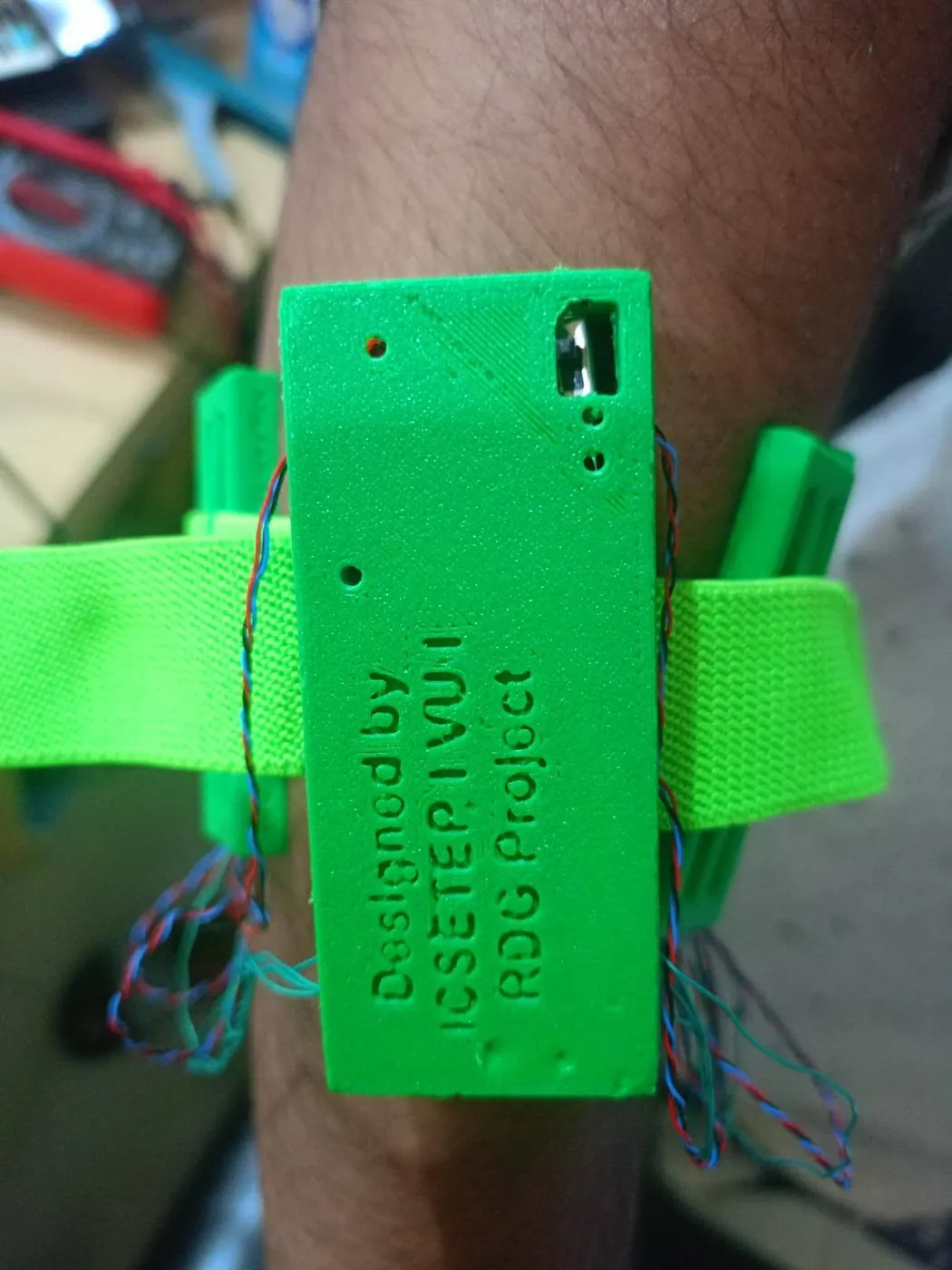
The team has recently developed its own EMG signal acquisition system, an 8-channel EMG Signal Acquisition System Arm Band, which the Honorable Vice Chancellor of Varendra University visited and observed on 24 September 2026.
Photographs, specifications and publications will be added here as they become available.
- Photographs
- Specifications
- Publications
Vision
Project vision
To become a leading research hub in Bangladesh for human–machine interfacing technologies, building affordable, locally engineered assistive and biomedical devices that restore independence and dignity to people with physical disabilities.
Mission & Goals
Project goals
- Design and develop an affordable functional myoelectric prosthetic hand.
- Advance EMG signal acquisition and processing.
- Develop machine-learning-based gesture classification.
- Integrate machine learning with embedded systems.
- Develop local capacity in biomedical hardware and rapid prototyping.
- Evaluate the device with amputee participants.
- Improve the prototype through user feedback.
- Develop trained researchers working across hardware, software and human physiology.
Collaboration & Partners
Working together across institutions
- Lead Institution
Varendra University
Department of Computer Science and Engineering (CSE), Rajshahi, Bangladesh. Hosts the Human–Machine Interfacing (HMI) Research Lab.
- Academic Partner
Rajshahi University of Engineering & Technology (RUET)
Co-Principal Investigator: Dr. Md. Johirul Islam, Department of Physics.
- International Academic Partner

Universiti Malaysia Perlis (UniMAP)
Co-Principal Investigator: Dr. Md Mamun Bin Ibne Reaz, Faculty of Electronic Engineering & Technology.
- Rehabilitation Partner

Centre for the Rehabilitation of the Paralyzed (CRP)
Rajshahi – Afsar Hussain Centre. Clinical and rehabilitation collaboration for amputee studies and device trials.
Project Team
The people behind the project
Principal Investigator

Dr. Ahammad Hossain
Principal Investigator (PI), ICSETEP RDG Sub project
Associate Professor, Dept. of Computer Science & Engineering, Varendra University
ahammad@vu.edu.bd
Co-Principal Investigators
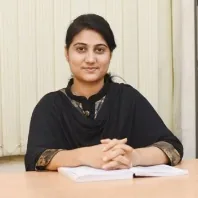
Umme Rumman
Co-Principal Investigator (Co-PI), ICSETEP RDG Sub project
Assistant Professor, Dept. of Computer Science & Engineering, Varendra University
chaiti@vu.edu.bd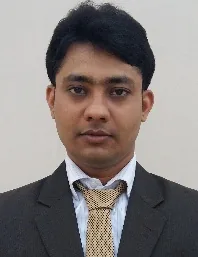
Dr. Md. Johirul Islam
Co-Principal Investigator (Co-PI), ICSETEP RDG Sub project
Professor, Dept. of Physics, Rajshahi University of Engineering & Technology (RUET)
johirul@phy.ruet.ac.bd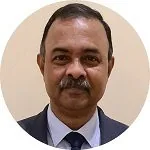
Dr. Md Mamun Bin Ibne Reaz
Co-Principal Investigator (Co-PI), ICSETEP RDG Sub project
Professor, Faculty of Electronic Engineering & Technology, Universiti Malaysia Perlis (UniMAP)
mamun.reaz@gmail.com
Research Assistants

Md. Azizur Rahman
Research Assistant (RA), ICSETEP RDG Sub Project
Varendra University
azizureee19@gmail.com
Khondokr Olin Mostafa
Research Assistant (RA), ICSETEP RDG Sub Project
Varendra University
khondokerolin@gmail.com
Accountant-cum-Office Secretary
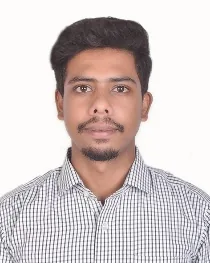
Md. Mahfuzul Haque
Accountant-cum-Office Secretary, ICSETEP RDG Sub Project
Varendra University
mdmahfuzulhaque.sabbir@gmail.com
Office Assistant
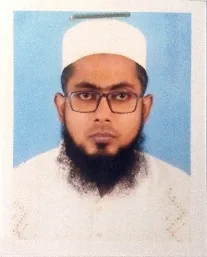
Md. Asadujjaman
Office Assistant, ICSETEP RDG Sub Project
Varendra University
asadujjamanbabu19@gmail.com
University RDG Secretariat (URDGS)
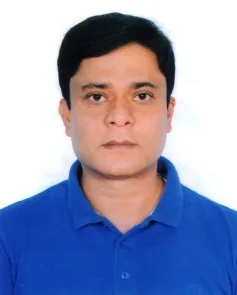
Prof. Shamim Ahmad
Head of URDGS, ICSETEP RDG Sub project
Head, Dept. of CSE, Varendra University
head.cse@vu.edu.bd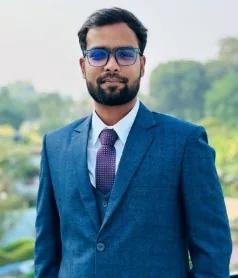
Md. Wadud Jahan
Administrative Officer, ICSETEP RDG Sub project
Executive, Dept. of CSE, Varendra University
office.cse2@vu.edu.bd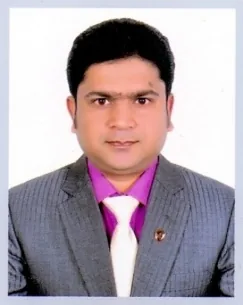
Sk. Rasidul Islam
Account Officer, ICSETEP RDG Sub project
Assistant Director, Office of the Finance & Accounts, Varendra University
rashed@vu.edu.bd
Research Interests
Research interests
Services & Research Outputs
Documented outputs
- Myoelectric prosthetic hand prototypes and research outputs
- EMG signal acquisition and biosignal processing
- Embedded systems and firmware design
- Rapid prototyping / 3D-printed mechanical parts
- Student and researcher training
- Collaborative clinical research and device trials
Events & Activities
Project activities
- EVENT
Vice Chancellor observes the 8-channel EMG Arm Band
Prof. Dr. Md. Khademul Islam Molla, Honorable Vice Chancellor, Varendra University, visited and observed our newly developed 8-channel EMG Signal Acquisition System Arm Band.
- EVENT
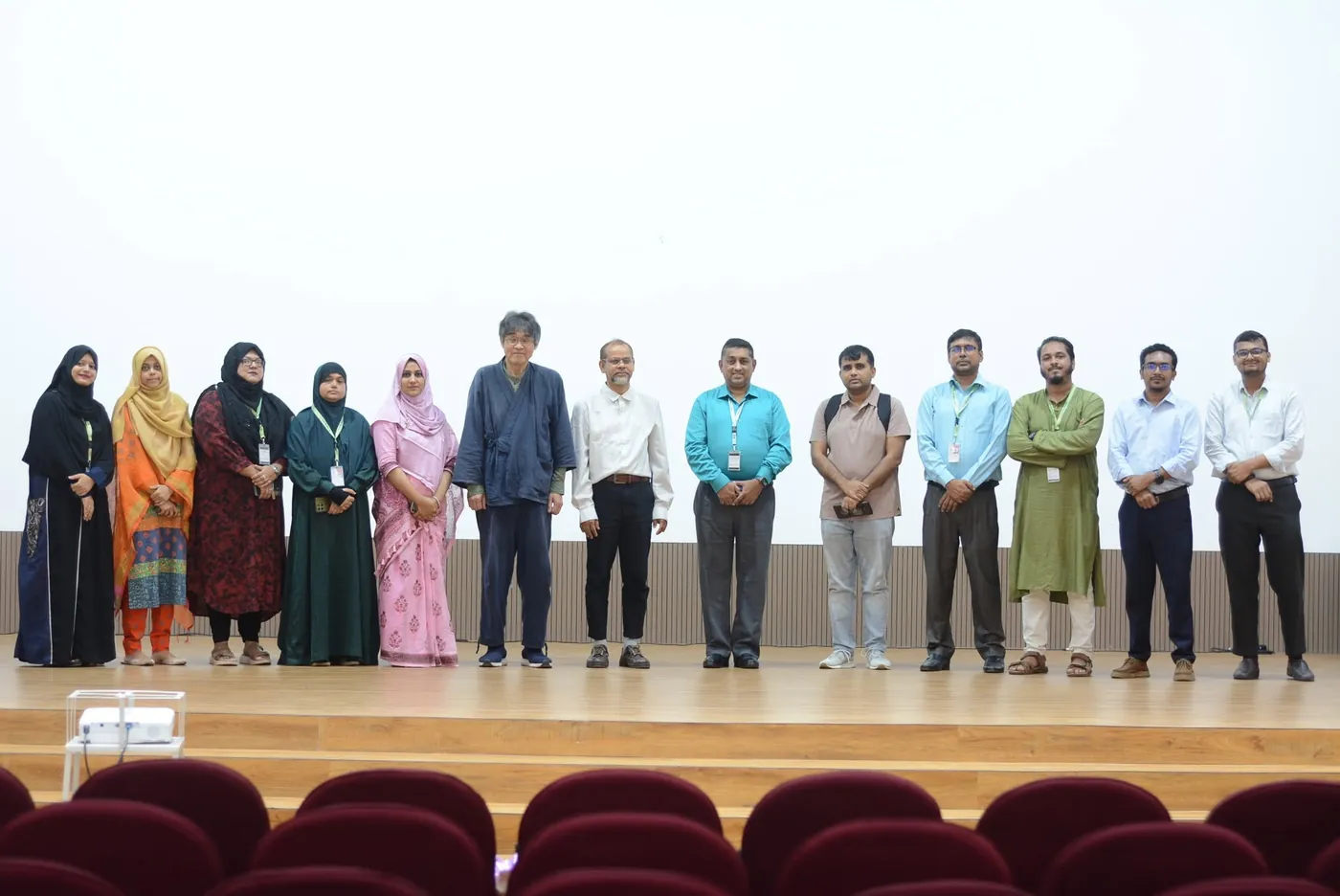
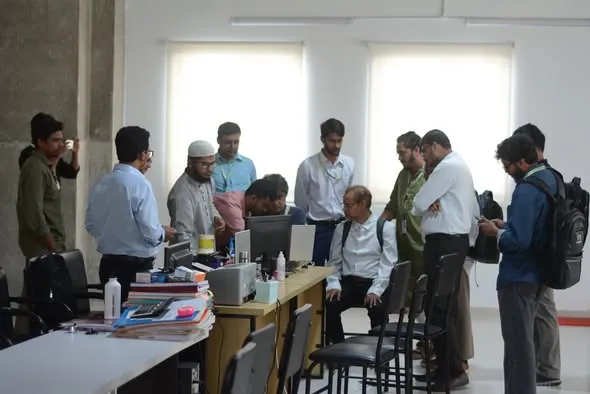
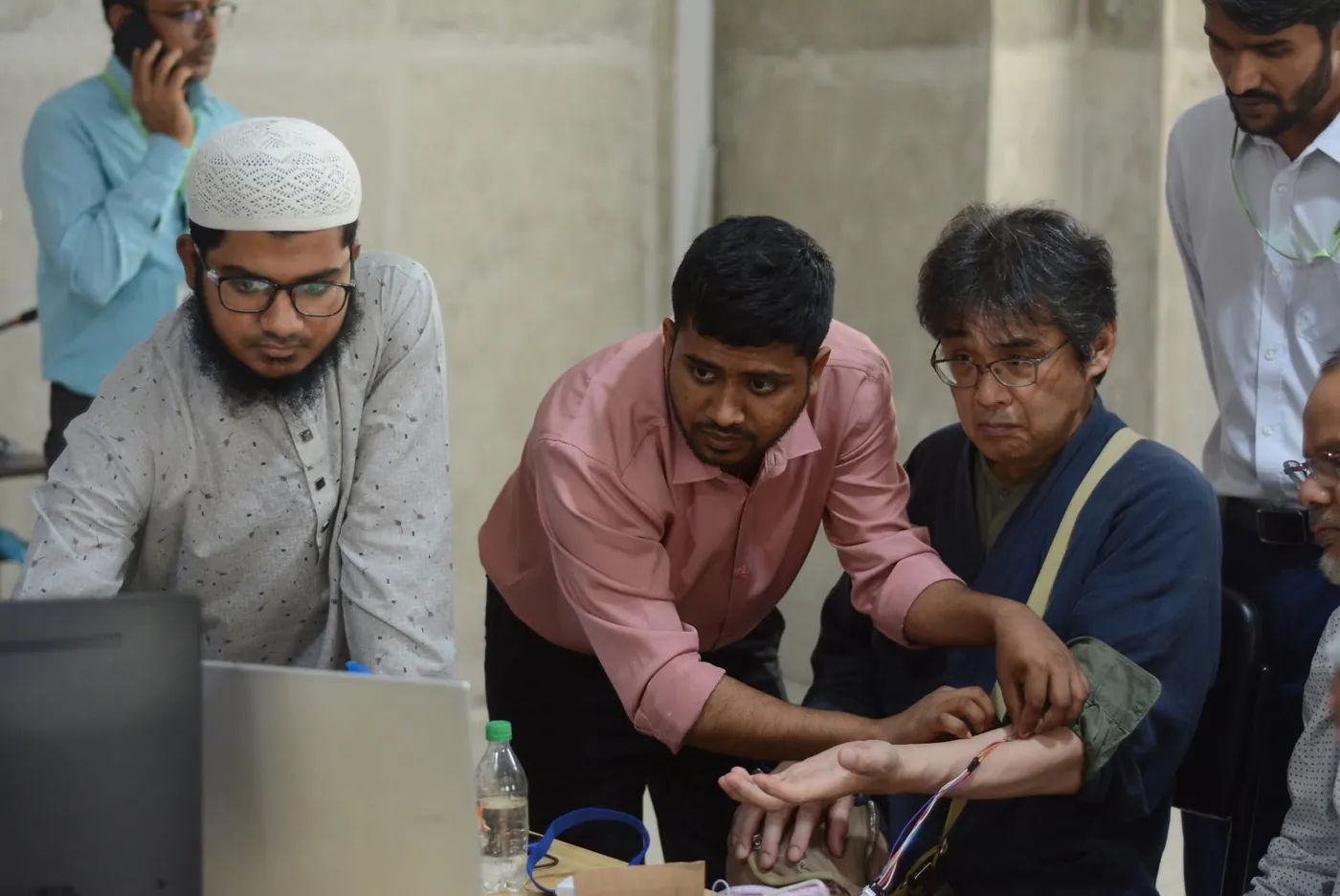
Visit by Gunma University, Japan
We were honored to welcome Prof. Kou Yamada and Prof. Dr. Md. Abdus Samad Kamal from Gunma University, Japan, to the Human–Machine Interfacing Research Lab, Department of CSE, Varendra University. During their visit, we presented our ongoing project.
- EVENT
Project Inception Workshop
The project’s Inception Workshop was held at the Central Auditorium, Varendra University.
More project activities and events will be updated here.
Notices & Tenders
Latest ICSETEP Notices & Tender Updates
Three e-Tender Notices Published in National Newspapers | VU CSE ICSETEP RDG Sub-project
As part of the procurement activities under ICSETEP, RDG Sub-Project D-18, three e-Tender Notices were published on 21 August 2026 in national newspapers. The notices cover the following…
Photo Gallery
Project photographs
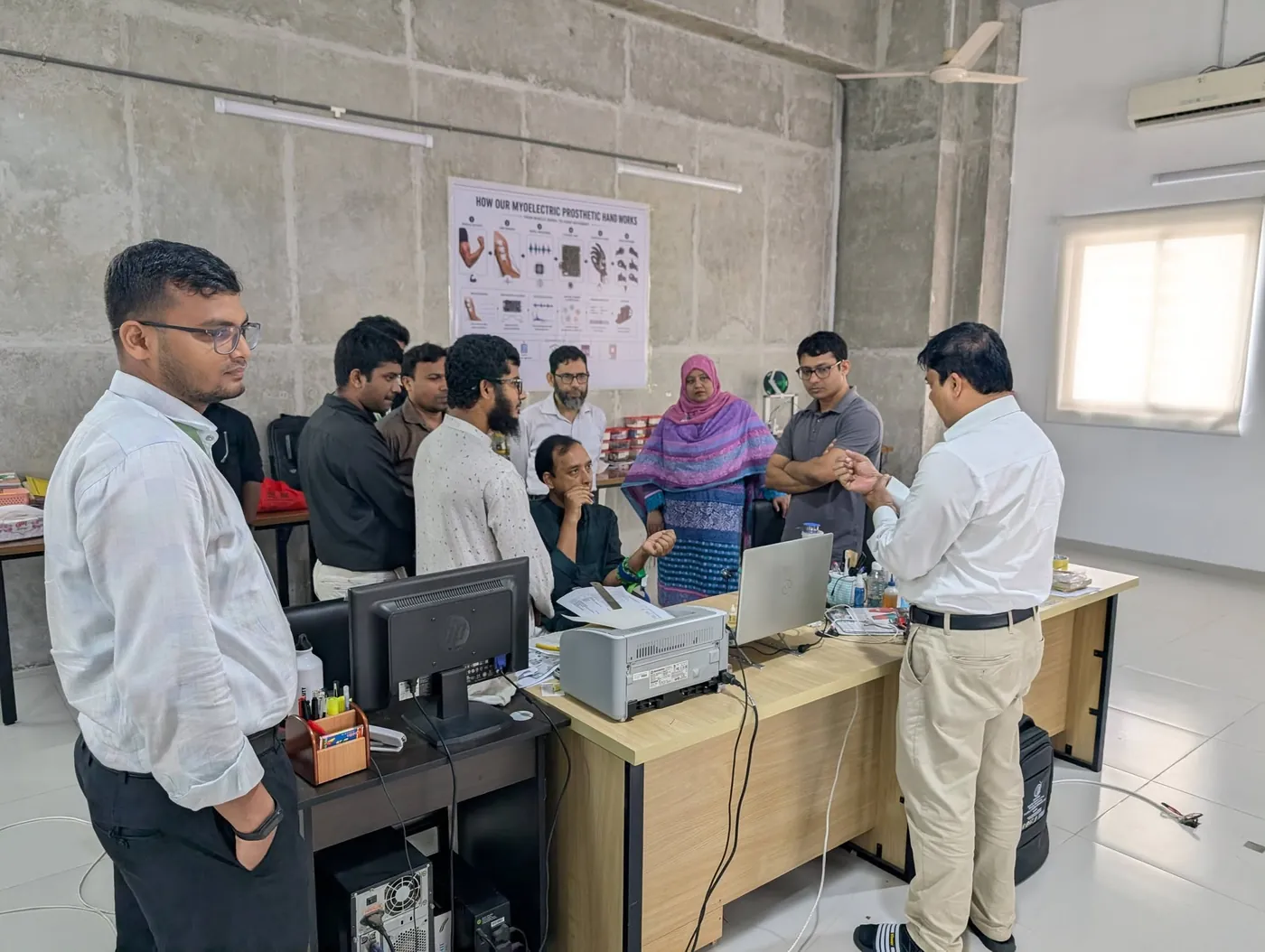 Vice Chancellor observes the 8-channel EMG Arm Band · 24 Sep 2026
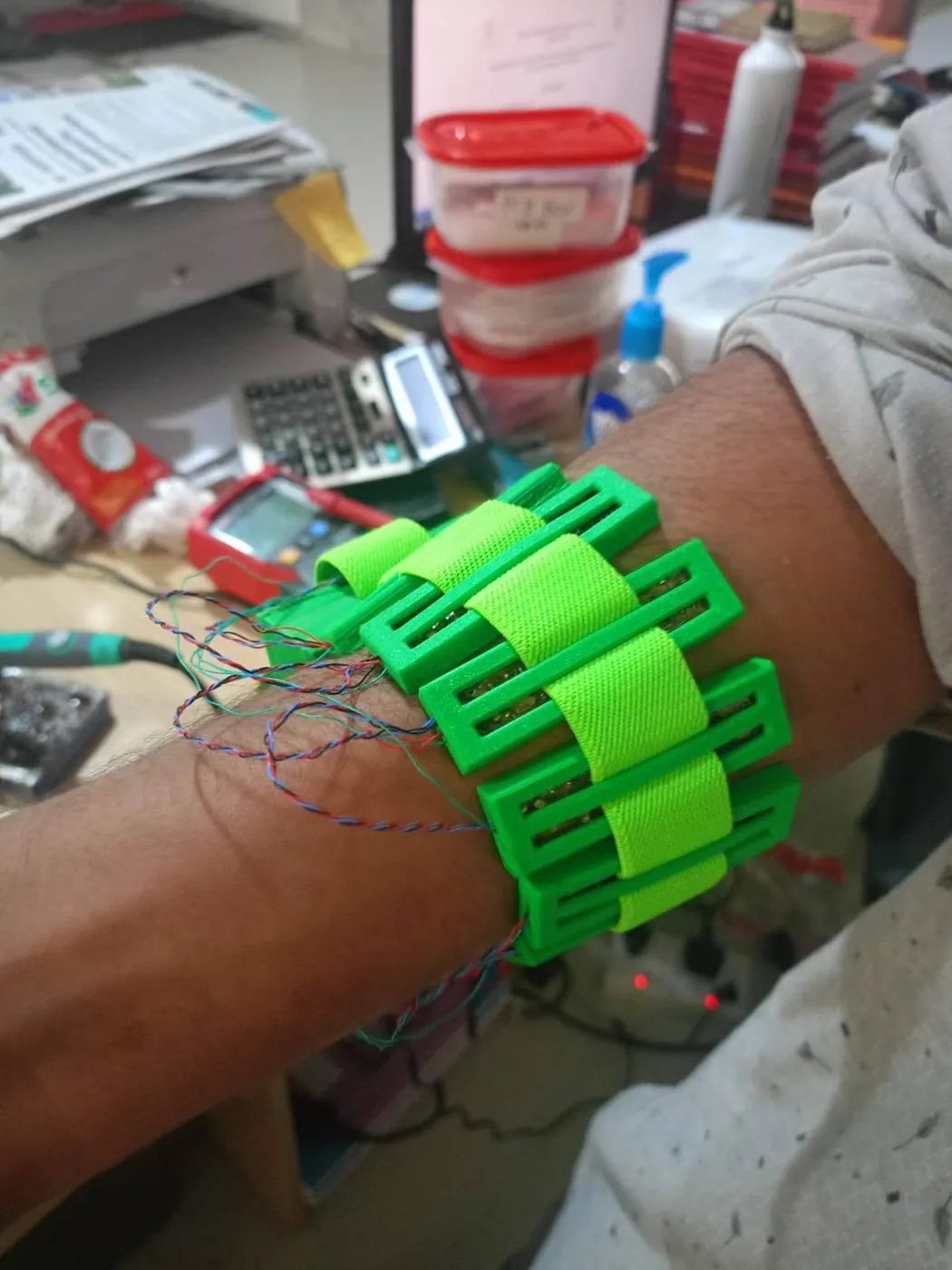 Vice Chancellor observes the 8-channel EMG Arm Band · 24 Sep 2026
 Vice Chancellor observes the 8-channel EMG Arm Band · 24 Sep 2026
 Visit by Gunma University, Japan · 16 Aug 2026
 Visit by Gunma University, Japan · 16 Aug 2026
 Visit by Gunma University, Japan · 16 Aug 2026
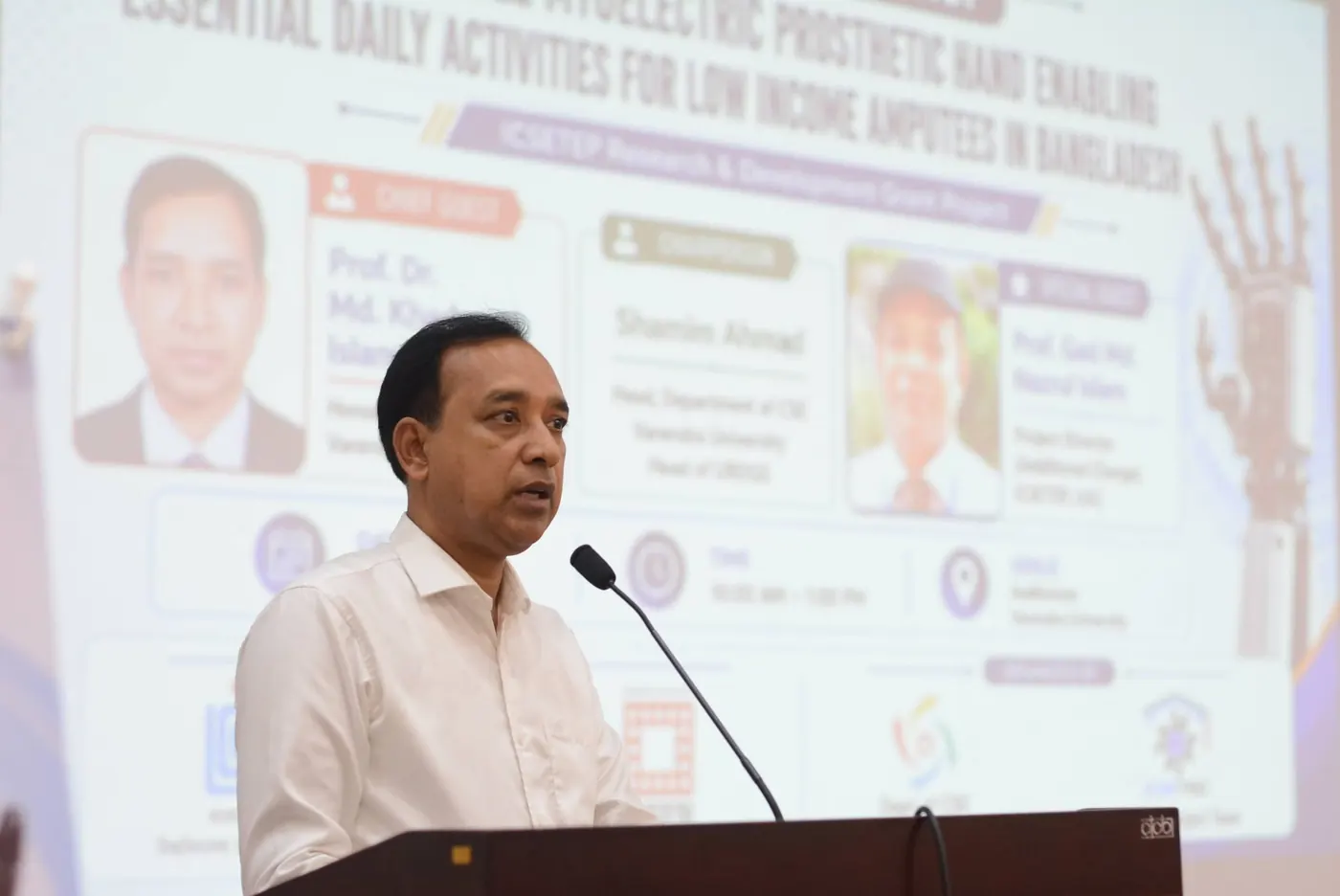 Project Inception Workshop · 10 Aug 2026
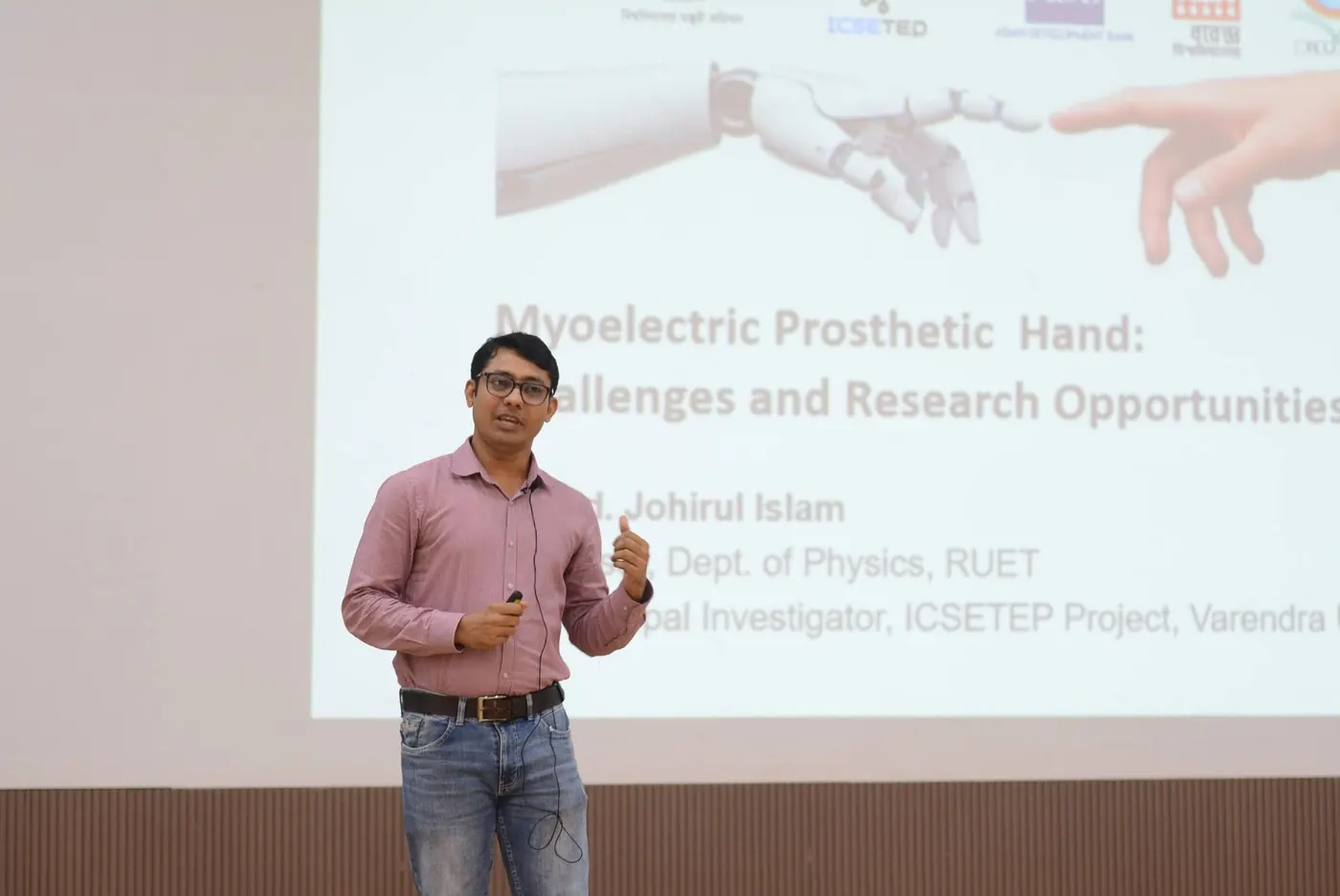 Project Inception Workshop · 10 Aug 2026
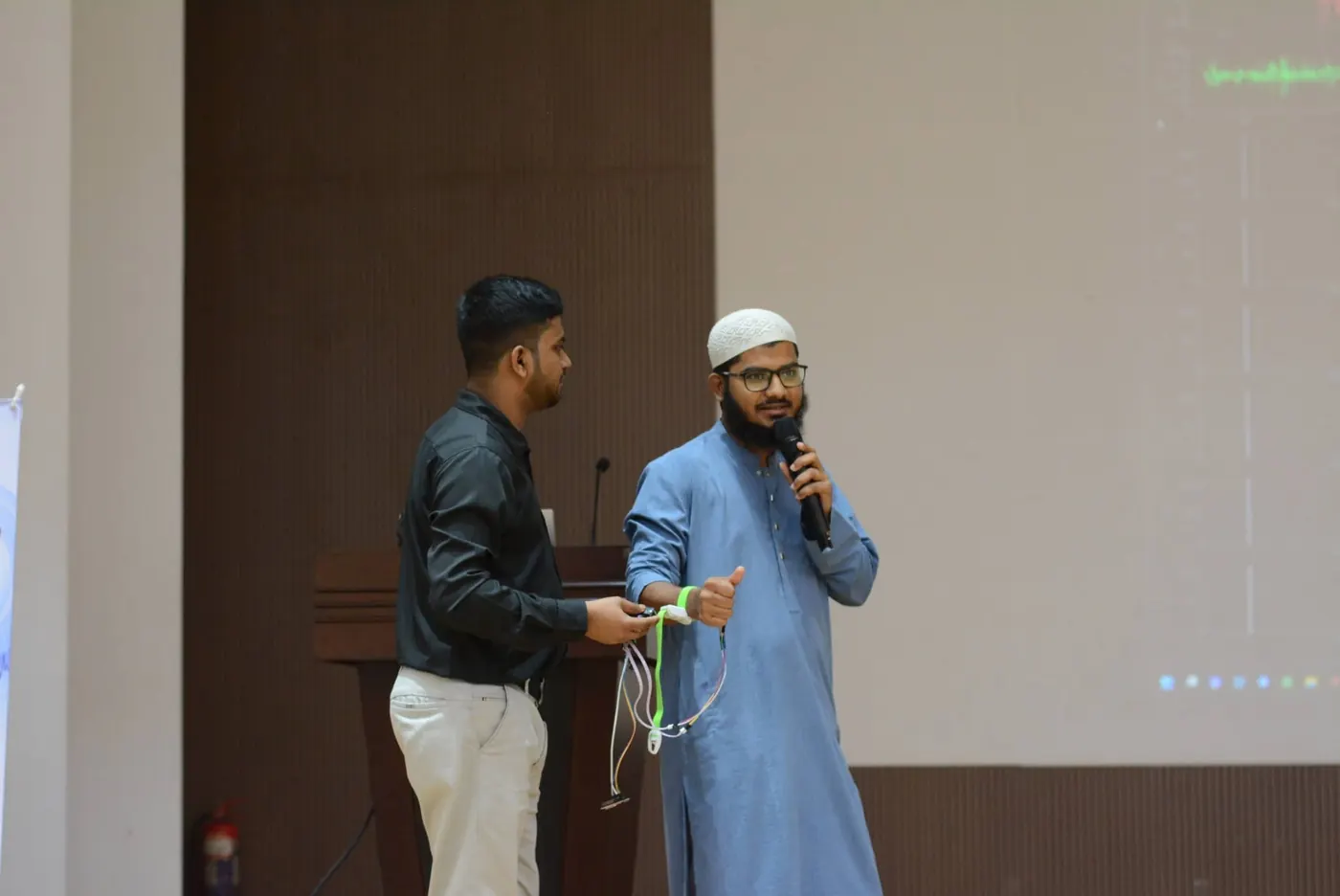 Project Inception Workshop · 10 Aug 2026
 Project Inception Workshop · 10 Aug 2026
Contact
Get in touch
Project Email
Office
11th Floor, Human Machine Interfacing / ICSETEP Sub-Project Office, Varendra University, Rajshahi Bypass Road, Chandrima, Paba, Rajshahi-6204, Bangladesh
ICSETEP Website
Official Improving Computer and Software Engineering Tertiary Education Project website.
Follow on Facebook
Updates from the HMI Research Lab, CSE, Varendra University.
Supported by
 University Grants Commission of Bangladesh (UGC)
 Asian Development Bank (ADB)